Characteristics of a Change Approach with Examples
- Teamworx
- 04 Jul, 2019
- 03 Mins read
- Change Management
In our previous article, we introduced the synergies between change management and Agile, and discussed how looking after the ‘people’ side of change is important in creating sustainable change.
Key Characteristics of Effective Change Approaches
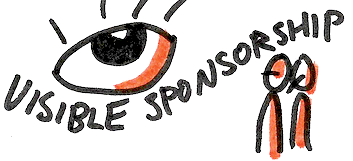
1. Visible Sponsorship
Effective change requires visible, active sponsorship from leadership. This isn’t passive support—it’s active engagement.
What it looks like:
- Leaders participate in change activities, not just endorse them
- Leaders visibly behave in alignment with the change
- Leaders remove obstacles that prevent change
- Leaders communicate regularly about change
Example: A director implementing Agile doesn’t just approve it—they attend standup, participate in retrospectives, and model the collaborative behaviors they want to see.
2. A Compelling ‘Why’
People need to understand not just what is changing, but why. A strong why is motivating.
What it looks like:
- Clear articulation of what problem the change solves
- Understanding of how it benefits the person (not just the organization)
- Connection to organizational values and direction
- Regular reinforcement of the ‘why’
Example: “We’re implementing Agile because it will help us respond faster to customer needs and give you more control over your work” vs. “We’re implementing Agile.”
3. Involvement and Co-Creation
People support what they help create. Involve people in designing the change.
What it looks like:
- Teams design how change will work in their context (not top-down imposition)
- Feedback loops to refine the approach
- People have agency in how change happens
- Cross-functional design teams
Example: Rather than having consultants design the new process and roll it out, have the team members themselves design how we’ll adapt to the new process.
4. Clear Expectations and Milestones
Change creates uncertainty. Clear expectations reduce anxiety.
What it looks like:
- Clear timeline with milestones
- Explicit expectations for behavior and ways of working
- Regular communication about progress
- Celebrating milestones
Example: “In June we’ll train on Scrum. In July we’ll do our first sprint. By September we’ll be running full sprints independently.”
5. Support and Learning
Change is hard. People need support to develop new capabilities.
What it looks like:
- Training and skill-building
- Mentoring and coaching
- Space to practice (and fail) safely
- Continuous learning opportunities
- Peer learning
Example: Don’t just send people to a one-day Scrum training and expect them to master it. Provide ongoing coaching, peer learning, and space to practice.
6. Culture Alignment
Sustainable change aligns with organizational values. Fighting culture is exhausting.
What it looks like:
- Change reinforces stated values
- Behaviors modeled by leaders align with change
- Rewards and recognition systems support change
- Stories reinforce the desired culture
Example: If you value collaboration but your change approach is top-down and directive, there’s misalignment. Either change the approach or reconsider if it’s aligned with your actual values.
7. Feedback and Adaptation
Change isn’t set-and-forget. It’s adaptive.
What it looks like:
- Regular feedback mechanisms
- Willingness to adapt based on what you learn
- Course-correcting when something isn’t working
- Treating change as an experiment
Example: “Let’s pilot the new approach with one team, learn from them, refine, then scale.”
Putting It Together
The most effective change approaches have most or all of these characteristics:
- Strong sponsorship driving the change from the top
- Compelling why that motivates engagement
- Co-created approach that involves people in design
- Clear expectations that reduce uncertainty
- Investment in support that builds capability
- Culture alignment that makes change feel natural
- Adaptive approach that learns and evolves
When you see these characteristics, the odds of successful change go way up.
What Kills Change
Conversely, change efforts fail when:
- Leadership gives lip service but doesn’t actively participate
- The ‘why’ is unclear or unconvincing
- Change is imposed top-down without involvement
- Expectations are fuzzy or keep changing
- People are left to figure it out alone
- Change contradicts stated values
- The organization is inflexible when something isn’t working
If you recognize any of these in your change initiative, that’s useful information. You know where to focus.
The Bottom Line
Thinking about the characteristics of an effective change approach helps you intentionally design your change journey. Whether it’s organizational transformation, product adoption, or process improvement, these characteristics apply.
Great change isn’t just about the new way of working—it’s about how you bring people along in that journey.
Stop "doing" process. Start delivering results.
Get in touch nowSee how we can help fine tune your business.