How to Run a Sharp Stand-Up
- Teamworx
- 12 Mar, 2020
- 02 Mins read
- Agile Resources & Tools , Tips and Techniques
The Daily Scrum / huddle / stand-up. It has a million different names. The purpose of this meeting is akin to the rugby metaphor of a reset of the game. Think of it as a daily reset, because this is where you set the scene for your day by touching base with your daily goals and blockers.
The Basics of an Effective Stand-Up
Timing is Critical
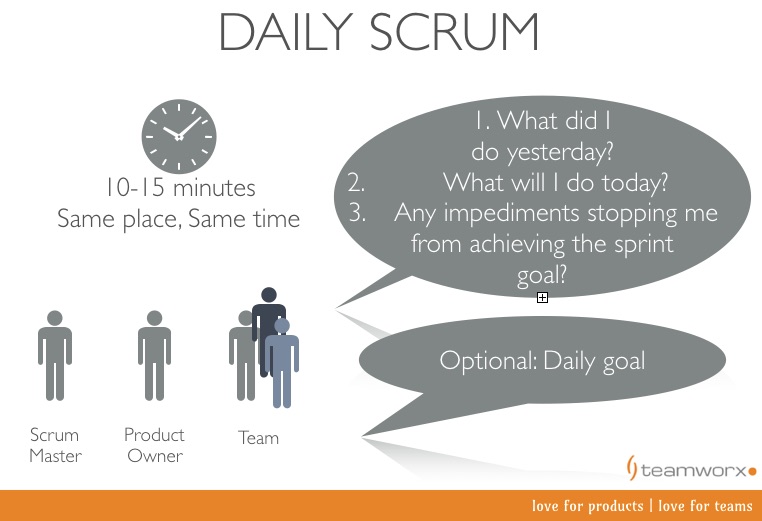
- Duration: 10-15 minutes maximum (often called “time-boxed”)
- Frequency: Daily, same time, same place (or video room)
- Consistency: Teams perform better when the rhythm is predictable
The Three-Question Format
Traditional standups follow this pattern for each person:
- What did I complete yesterday?
- What am I working on today?
- What’s blocking me?
Remote Stand-Ups
The principles are the same, but execution differs:
- Video on: Even if asynchronous, use video recorded updates for richer communication
- Synchronous vs. Asynchronous: Decide based on time zones and team preference
- Parking lot: Conversations beyond standup go to a parking lot for later discussion
- Focus: In remote settings, it’s even more important to stay focused
Pro Tips for Better Stand-Ups
Use a Talking Stick
Literally or figuratively, only the person with the “stick” speaks. This prevents interruptions and side conversations.
Stand Up (Seriously)
Standing actually keeps meetings shorter. People naturally want to sit down, so the energy keeps the pace up.
No Problem-Solving
The standup isn’t a problem-solving meeting. If someone’s blocked, that’s noted and discussed separately with the relevant people afterward.
Ask About Blockers First
Start by asking “What’s blocking you?” and address those blockers immediately with the people who can help. This shows the team that obstacles matter.
Keep It Visual
Use a kanban board (physical or digital) as your backdrop. Everyone can see the work and reference it during the standup.


What Kills a Stand-Up
- Going too long: Someone launches into detailed explanations. Redirect to “blocker only” level detail
- Solving problems in the standup: Takes time and bores those not involved
- One person dominating: Use a timer and the talking stick
- Status for status’ sake: The goal is coordination, not command-and-control reporting
- Lack of follow-up: If blockers are identified but never resolved, the standup becomes pointless
When It’s Working
You know your standup is healthy when:
- It consistently finishes in 10-15 minutes
- People identify blockers and get help immediately
- The team feels aligned on daily work
- Blockers actually get resolved (not just mentioned)
- People look forward to it (or at least don’t dread it)
The Real Purpose
Ultimately, the standup exists to keep the team coordinated and focused. It’s a feedback mechanism for the day and a quick course-correction tool. When it’s sharp, your team moves in sync.
Run a tight ship. Daily standups that crunch through in 10-15 minutes become a rhythm that the team relies on. Make it count.
Stop "doing" process. Start delivering results.
Get in touch nowSee how we can help fine tune your business.