Lessons Learnt with Big Room Planning / Program Increment Planning – What is it?
- Teamworx
- 21 May, 2020
- 02 Mins read
- Big Room Planning / PI Planning , Blog and Activities , Tips and Techniques
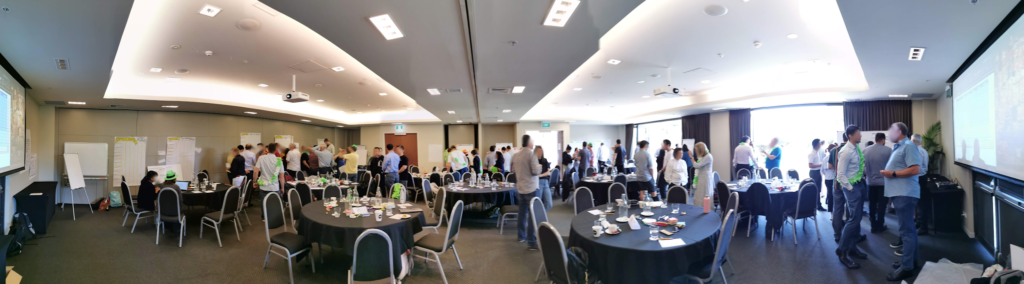
Big Room Planning (BRP), also known as Program Increment (PI) Planning in the SAFe framework, is a critical event in Agile organizations running large programs. This guide shares lessons learned from facilitating multiple BRP events across different organizations and team sizes.
What is Big Room Planning?
Big Room Planning is a structured event where multiple Agile teams come together to plan their work for the next program increment (typically 2-3 months). The event brings together:
- Product Owners
- Scrum Masters
- Development Teams
- Stakeholders
- Business Leads
All in one “big room” (physical or virtual) to align and plan collectively.
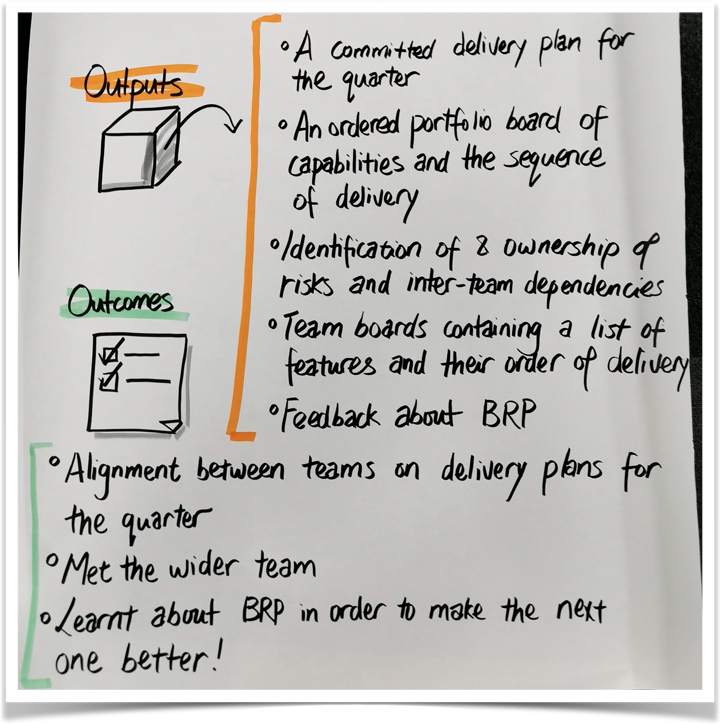
Key Objectives of BRP
- Align teams on business priorities and vision
- Plan individual team sprints within the program context
- Identify and manage cross-team dependencies
- Build commitment to the program increment
- Answer critical questions before execution begins
Lessons Learned
1. Preparation is Critical
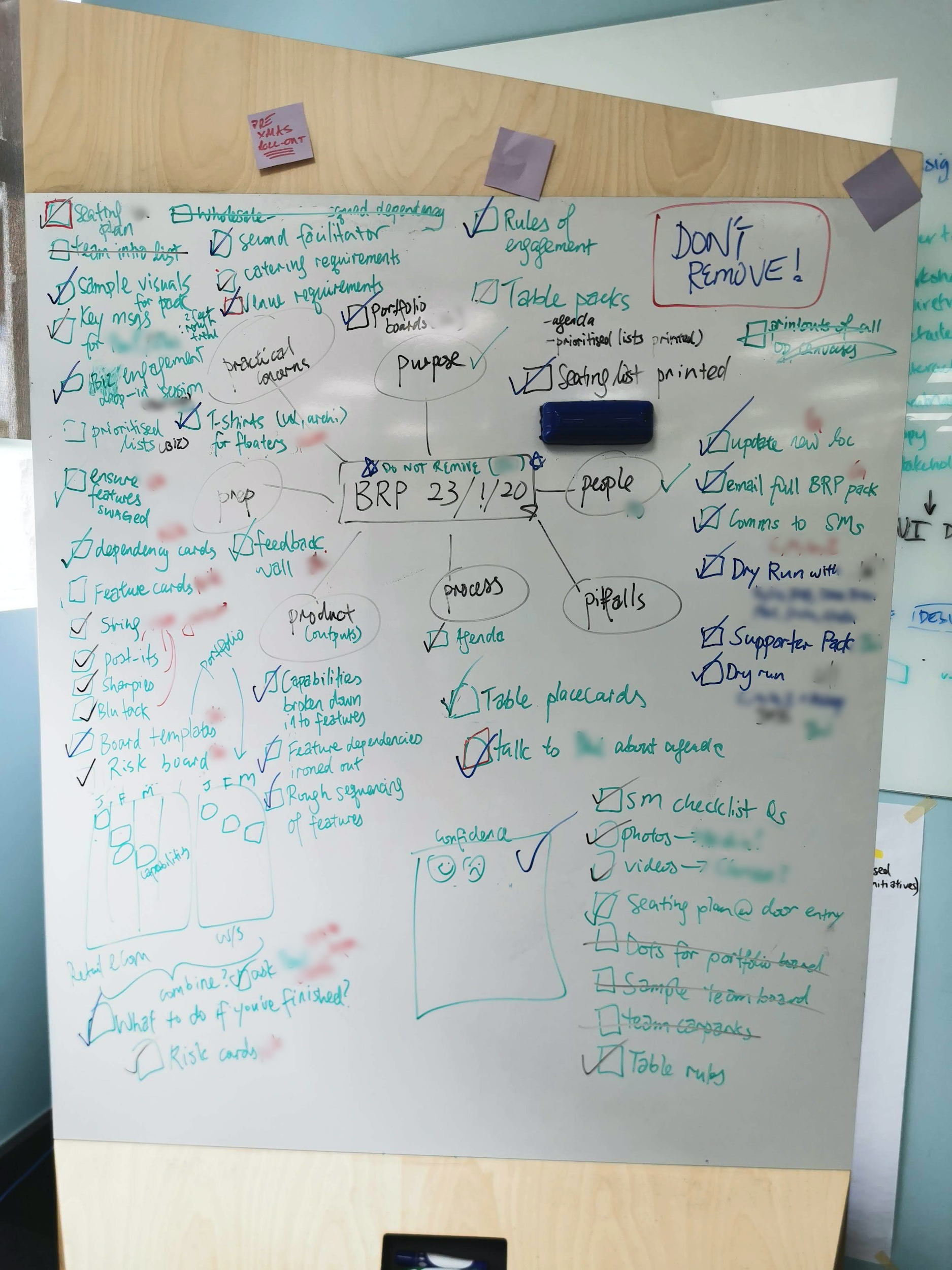
The BRP event itself is just the tip of the iceberg. What happens before—business context sessions, team training, and logistical setup—determines success.
2. Psychological Safety Matters
Teams must feel safe asking questions, raising concerns, and saying “we can’t commit to that.” Psychological safety during BRP enables realistic planning.
3. Facilitate, Don’t Dictate
The best BRPs are facilitated events where teams make decisions, not events where decisions are announced. Facilitate the conversation, don’t control it.
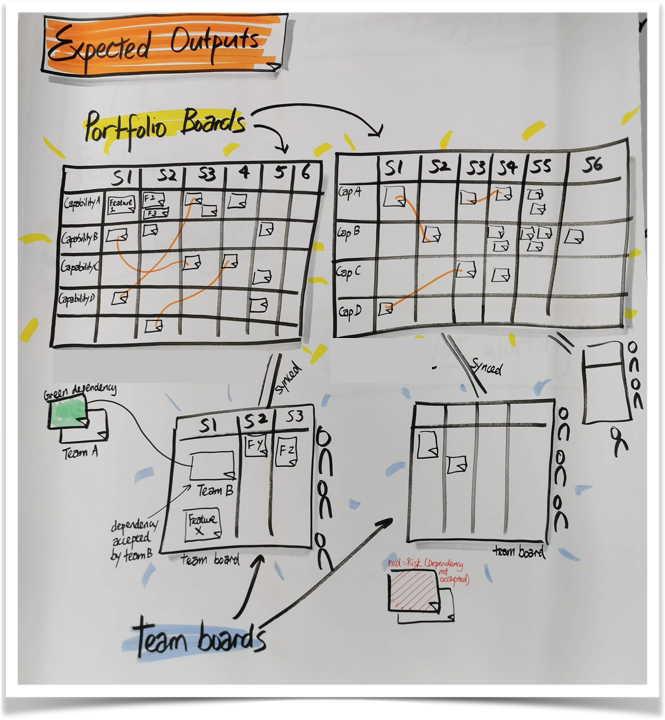
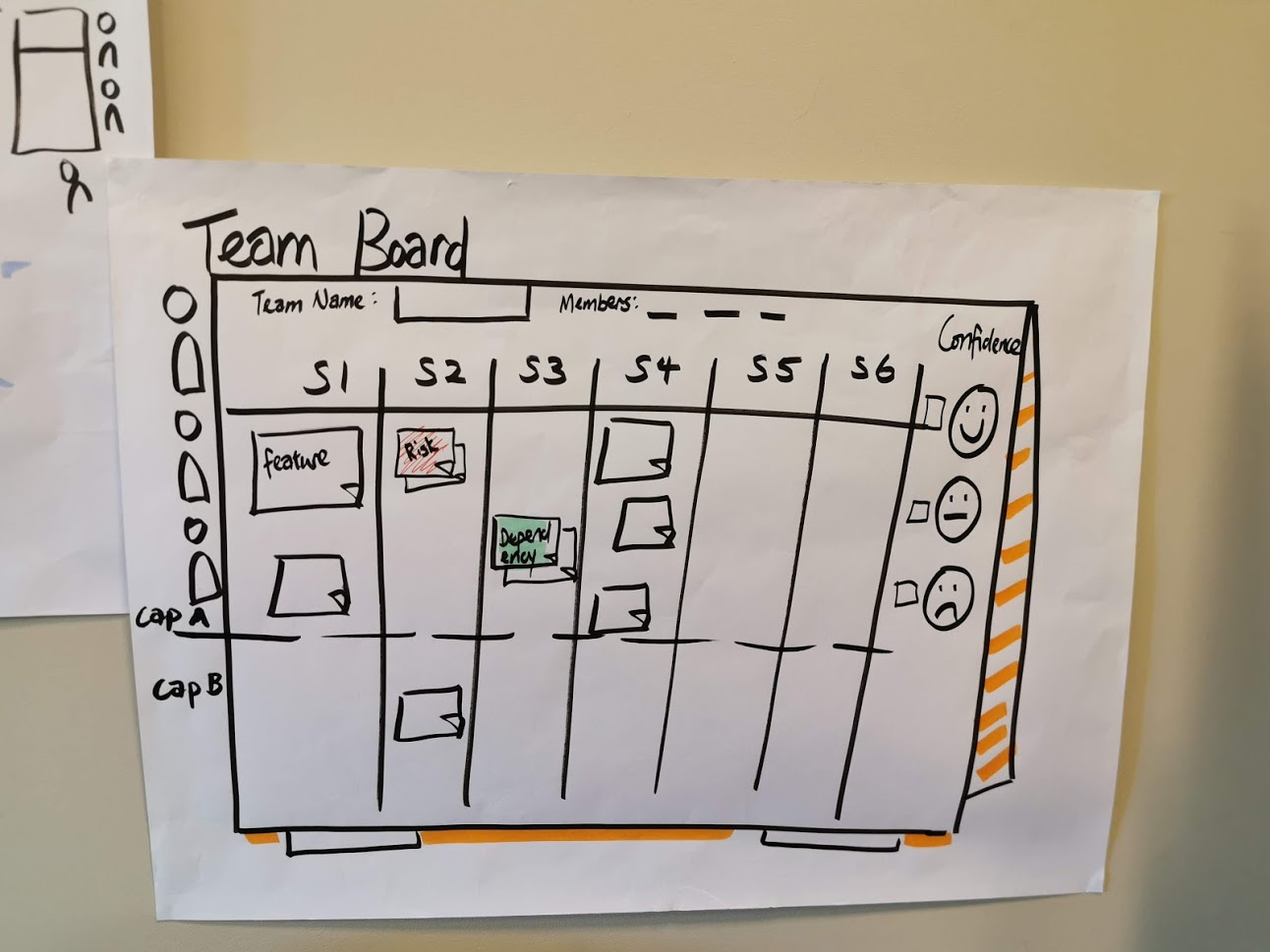
4. Manage Dependencies Visible
Make dependencies visible on walls or digital boards. Don’t hide them. Seeing dependencies early enables proactive management.
5. Plan for Uncertainty
No plan survives contact with reality. Build in buffers, plan for capacity realistically, and don’t schedule 100% to the team.
6. Retrospect on the Event
After the BRP event, retrospect on how the event itself went. What worked? What should we improve for next time?
Getting Started
If you’re planning your first BRP event, focus on:
- Defining clear business context
- Preparing teams beforehand
- Creating psychological safety during the event
- Managing dependencies and risks
- Following up with committed action
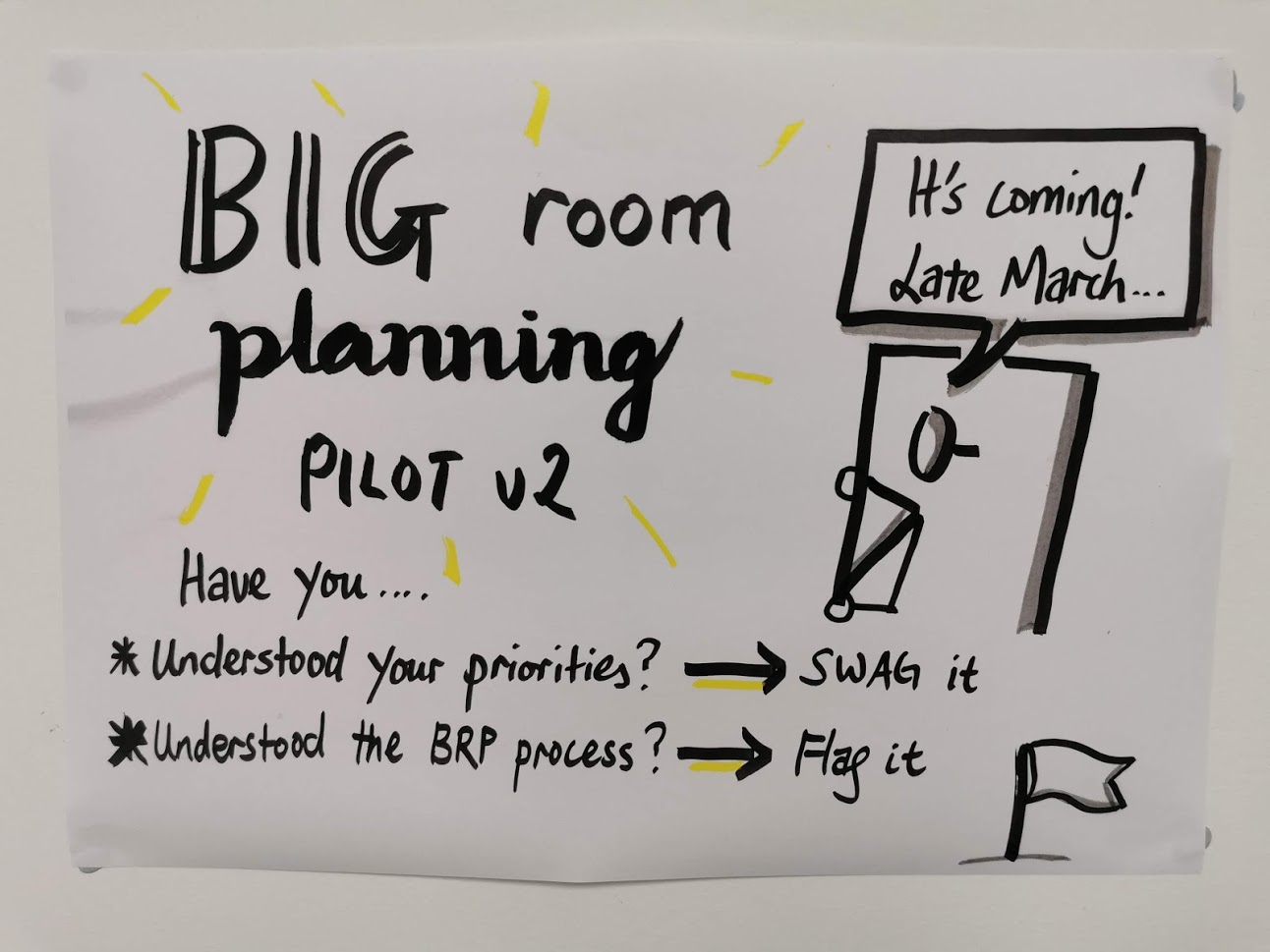
Contact Teamworx if you’d like facilitation support for your Big Room Planning event.
Stop "doing" process. Start delivering results.
Get in touch nowSee how we can help fine tune your business.