What is PI Planning?
- Teamworx
- 08 Apr, 2026
- 03 Mins read
- Big Room Planning / PI Planning , Tips and Techniques
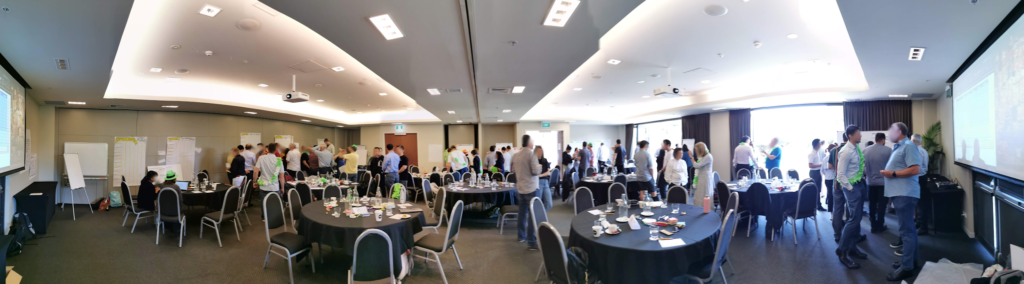
PI Planning (short for Program Increment Planning) is one of the most important events in the SAFe® (Scaled Agile Framework) calendar. It’s a structured, time-boxed event where every team in an Agile Release Train (ART) comes together to align on a shared vision, agree on priorities, and plan the next 8-12 weeks of work.
Your organisation might call it PI Planning, Big Room Planning (BRP), or just the quarterly planning event. The name doesn’t matter much. The point is getting everyone in the room — physically or virtually — to plan together.
Watch: PI Planning Explained
What Happens at PI Planning?
A typical PI Planning event runs over two days and follows a structured agenda:
Day 1
- Business context: senior leaders share the current state of the business and the strategic vision
- Product/Program vision: Product Management presents the top features and priorities for the upcoming PI
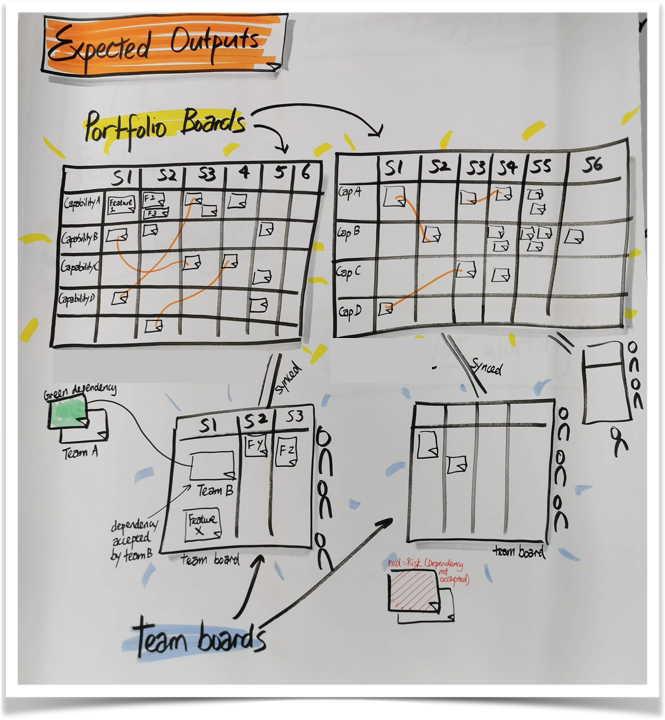
- Team breakouts: teams draft their iteration plans and identify risks and dependencies
- Draft plan review: teams present their plans to the room for cross-team visibility
Day 2
- Plan adjustments: teams refine their plans based on feedback and dependency resolution
- Risk review: risks are categorised as Resolved, Owned, Accepted, or Mitigated (ROAM)
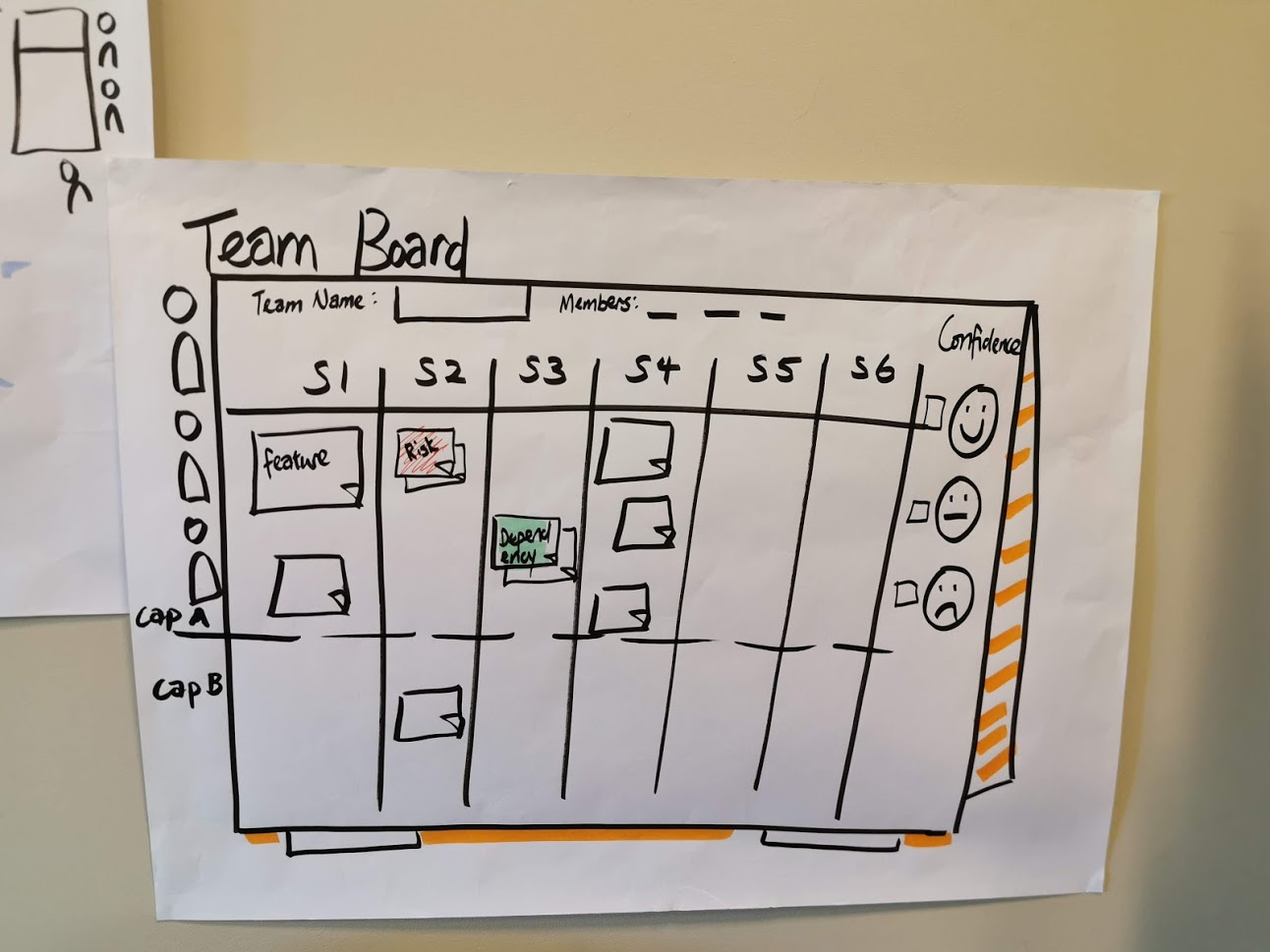
- Final plan review and commitment: teams vote on confidence in their PI objectives
Why Does PI Planning Matter?
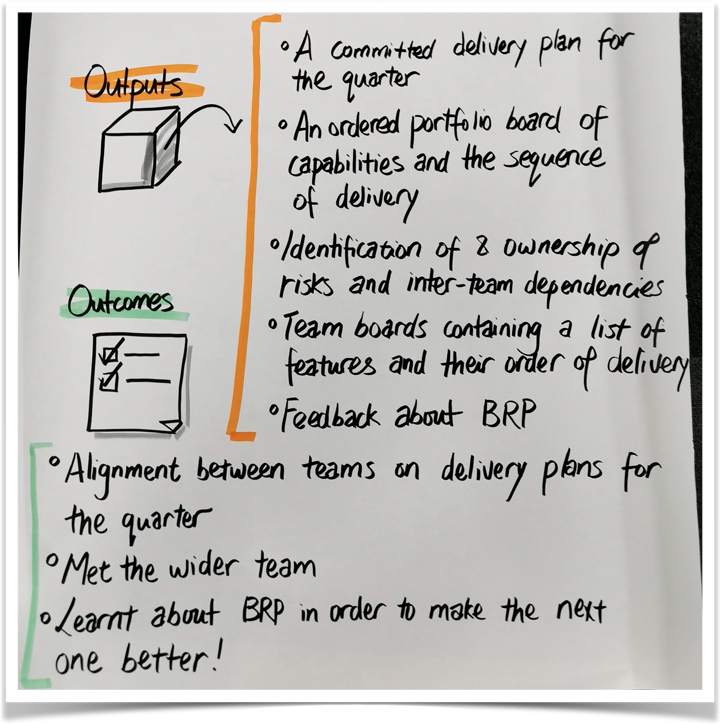
In large organisations running multiple teams in parallel, alignment is genuinely hard. Teams plan in silos, discover dependencies mid-sprint, and spend more time firefighting than delivering. PI Planning is designed to fix that.
By bringing everyone together at the start of the increment, you surface dependencies early, build cross-team relationships, and create a shared commitment to what’s being delivered. It’s the difference between teams working in parallel and teams actually working together.
Who Attends PI Planning?
PI Planning brings together the entire ART, which typically includes:
| Role | Responsibility during PI Planning |
|---|---|
| Business Owners | Share business context and validate objectives |
| Product Management | Present the program vision and prioritised features |
| Product Owners | Break features into stories and fill team backlogs |
| Scrum Masters / Team Coaches | Facilitate team breakout sessions |
| Development Teams | Draft iteration plans and identify dependencies |
| System Architect | Provide architectural runway guidance |
| Release Train Engineer (RTE) | Facilitate the overall event |
What Are PI Objectives?
At the end of PI Planning, each team publishes their PI Objectives — a short list of the business outcomes they’re committing to deliver in the next increment. These are written in business language (not technical jargon), scored by Business Owners for business value, and split into committed and stretch goals.
Taken together across the ART, they form the Program PI Objectives, which give leadership a clear picture of what’s being delivered and why.
Virtual PI Planning
Running PI Planning with distributed or hybrid teams is more complex, but it’s very doable with the right setup. The key things to get right are:
- A shared digital whiteboard (Miro works well for virtual PI Planning)
- Clear breakout room structures with timekeepers in each team
- A proper pre-PI induction so remote participants understand the process before day one
- Dedicated technical support on the day
We’ve run virtual PI Planning events with over 100 participants across multiple time zones. Check out our Virtual BRP / PI Planning Checklist for the full rundown.

Common PI Planning Pitfalls
A few things that catch teams out:
- Skipping Pre-PI preparation. Teams arrive with empty backlogs and nothing to plan with.
- Business context that goes on too long. Teams switch off before breakouts even begin.
- Dependencies noted but never tracked. Writing them on a sticky doesn’t mean they get resolved.
- Confidence votes without psychological safety. Teams vote high to avoid awkward questions, not because the plan is realistic.
- No retrospective on the event itself. If you never look back at how PI Planning went, it never gets better.
Need Help Running PI Planning?
Teamworx has facilitated PI Planning and Big Room Planning events for organisations across New Zealand and Australia. We can help with end-to-end facilitation, coaching your internal RTE, or SAFe® training and certifications.
Get in touch to talk through your next PI Planning event.
Stop "doing" process. Start delivering results.
Get in touch nowSee how we can help fine tune your business.